Crown Hair Transplant: Everything You Need to Know
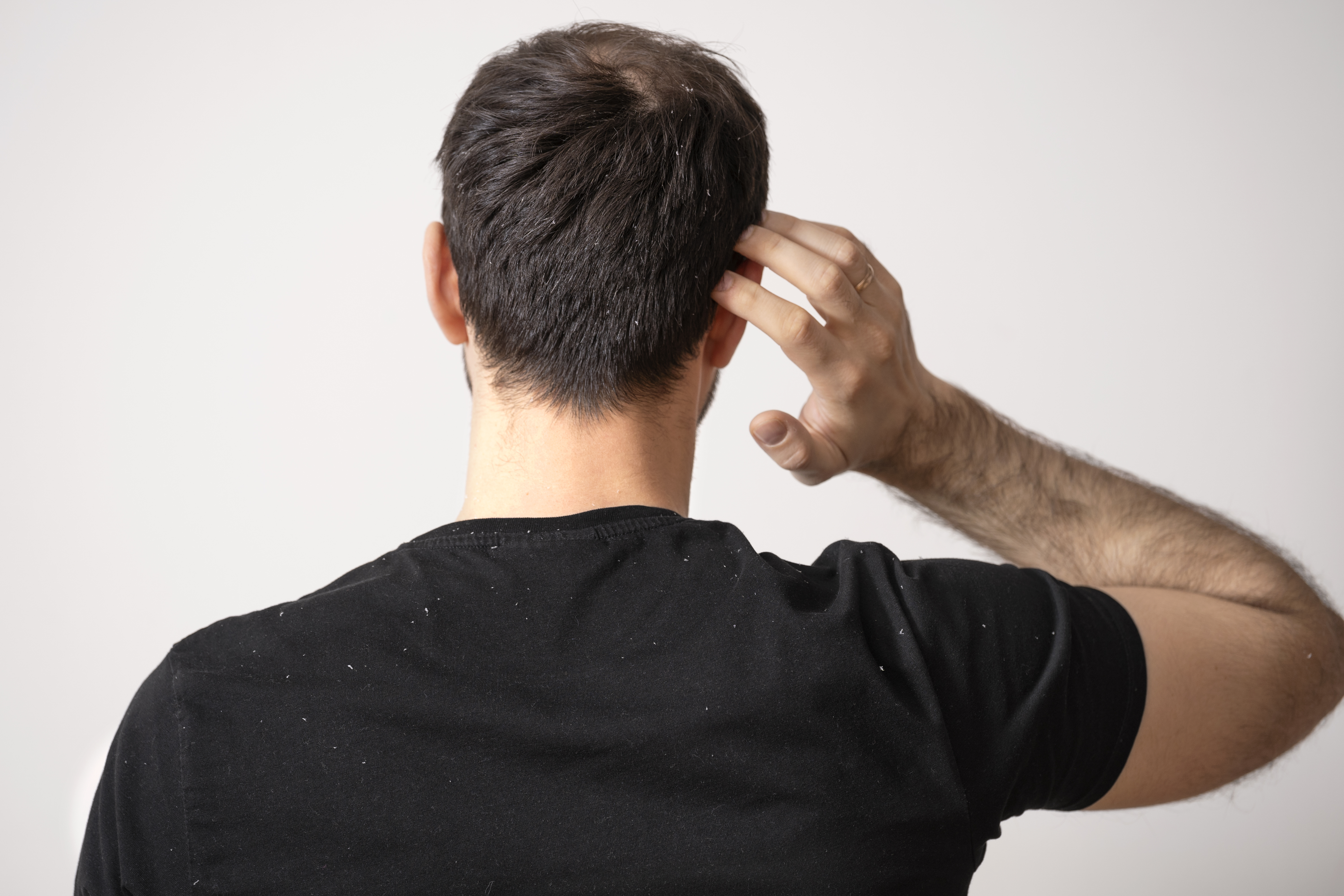
Hair loss doesn't always begin at the front of the scalp. For many people, the first noticeable signs appear at the crown—the circular area at the top and back of the head. It often starts as a small patch of thinning hair that gradually becomes more visible over time. Since the crown isn't always easy to see, many people don't realize how much hair they've lost until someone points it out or they notice it in photos.
The good news is that a crown hair transplant can effectively restore this area with natural-looking, permanent hair growth. While transplanting the crown is generally more complex than restoring the hairline, today's advanced techniques make it possible to achieve excellent results when performed by an experienced surgeon.
If you're thinking about restoring hair in the crown area, this guide explains everything you should know—from how the procedure works to recovery, results, and whether you're a suitable candidate.
What Is a Crown Hair Transplant?
A crown hair transplant is a hair restoration procedure that focuses on treating hair loss in the crown, also known as the vertex. During the procedure, healthy hair follicles are taken from areas of the scalp where hair continues to grow permanently—usually the back or sides of the head—and transplanted into the thinning or bald crown.
One thing that makes the crown different from the hairline is the way the hair naturally grows. Instead of growing in a straight direction, crown hair forms a circular swirl. Recreating this pattern requires precision, planning, and experience, which is why surgeon expertise plays a major role in achieving natural results.
Why Does Hair Thin at the Crown?
The most common reason for crown hair loss is genetics. In male and female pattern baldness, hair follicles gradually become smaller under the influence of hormones, causing hair to become thinner before eventually stopping growth altogether.
However, genetics isn't the only cause. Other factors can contribute to crown thinning, including:
Age-related hair loss
Hormonal changes
Long-term stress
Poor nutrition
Certain medical conditions
Some medications
If you've recently noticed increased hair shedding, it's always worth consulting a specialist to identify the underlying cause before considering treatment.
Who Is a Good Candidate?
Not everyone with crown thinning needs a hair transplant immediately. The best candidates usually have:
Noticeable thinning or baldness at the crown
Healthy donor hair on the back or sides of the scalp
Stable hair loss
Good overall health
Realistic expectations about the outcome
If hair loss is still progressing rapidly, your surgeon may recommend medical treatment first to slow the process before surgery.
How the Procedure Works
Although every clinic has its own approach, most crown hair transplants follow the same basic process.
Consultation
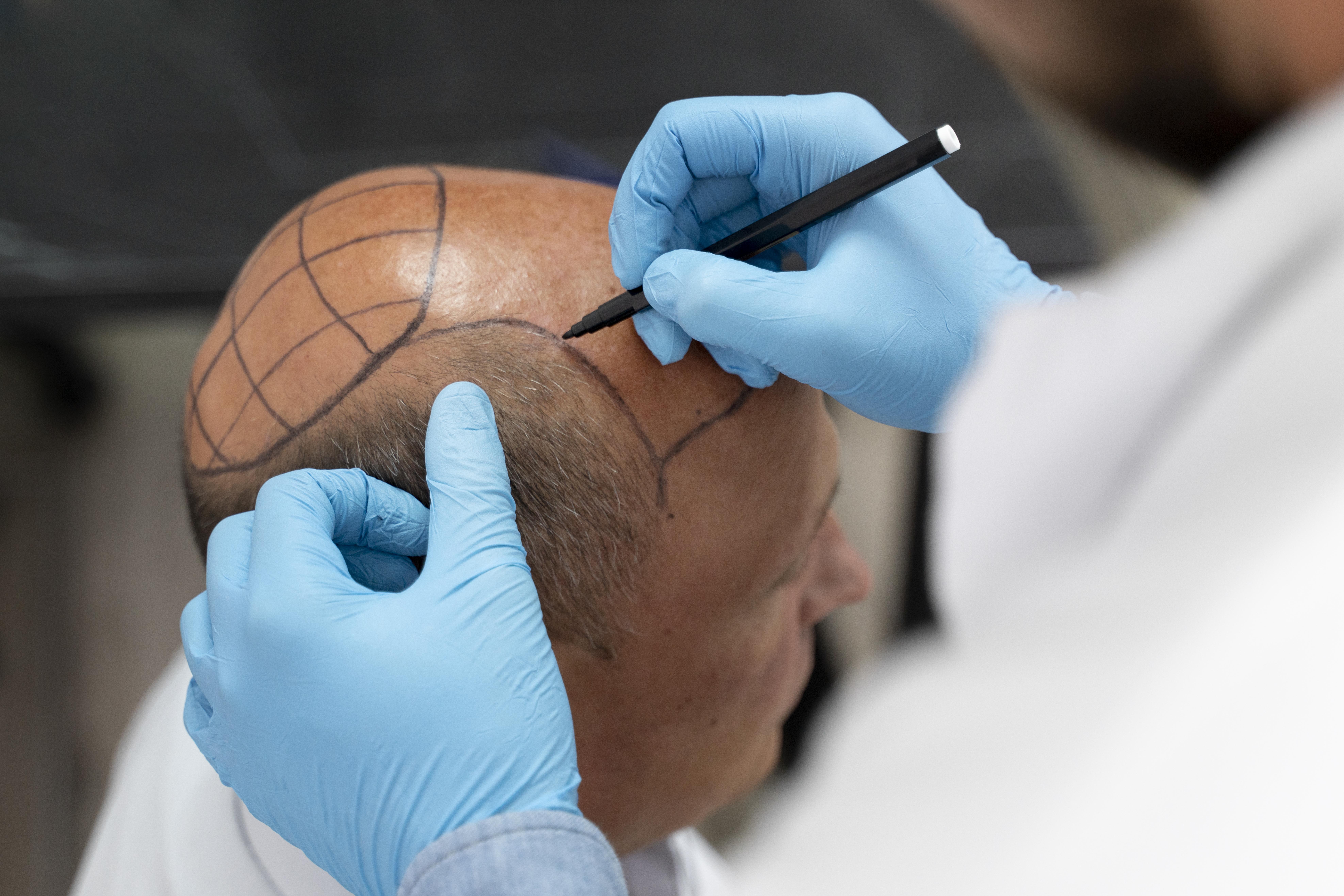
The first appointment is all about planning. Your surgeon examines your scalp, checks the quality of the donor area, estimates the number of grafts you'll need, and discusses the results you can realistically expect.
This is also the time to ask questions about recovery, costs, and long-term maintenance.
Donor Hair Extraction
Healthy follicles are collected from the donor area using one of two techniques:
FUE (Follicular Unit Extraction): Individual follicles are removed one by one.
FUT (Follicular Unit Transplantation): A strip of scalp is removed, and follicles are separated under a microscope.
Both techniques can produce excellent outcomes. The choice depends on your hair type, donor supply, and treatment goals.
Designing the Crown
This is where experience truly matters.
Unlike the front hairline, the crown requires careful planning to recreate the natural spiral pattern. Every graft must be placed at the correct angle and direction so the hair blends seamlessly with the surrounding scalp.
Implanting the Grafts
The extracted follicles are then carefully implanted into tiny recipient sites created in the crown area. Depending on the number of grafts, the procedure usually takes several hours and is performed under local anesthesia.
How Many Grafts Are Usually Needed?
The number of grafts depends on the size of the bald area and how much density you're hoping to achieve.
As a general guide:
Mild thinning: 800–1,200 grafts
Moderate thinning: 1,200–2,000 grafts
Advanced crown baldness: 2,000–3,500 grafts or more
Your surgeon will provide a personalized estimate during your consultation.
Does a Crown Hair Transplant Look Natural?
Yes—provided it's done correctly.
The biggest challenge isn't simply filling the bald area with hair. It's recreating the natural direction and flow of the existing hair.
An experienced surgeon carefully places each graft to match the surrounding growth pattern, ensuring the transplanted hair blends naturally. Once fully grown, most people won't be able to tell you've had a transplant.
Recovery: What to Expect
Recovery is usually easier than many people expect.
During the first few days, it's normal to experience some redness, mild swelling, and tiny scabs around the transplanted follicles.
Within two weeks, the scabs typically fall away, and the scalp starts looking much more normal.
Around the first month, many patients notice the transplanted hairs shedding. While this can be worrying, it's actually a normal part of the process. The follicles remain healthy beneath the skin and begin producing new hair over the following months.
Most patients notice early growth between three and four months, with significant improvement after six to nine months.
Because the crown has a different blood supply and growth pattern than the front of the scalp, final results often take up to 12 to 18 months.
Aftercare Tips
The way you care for your scalp after surgery plays a big role in achieving the best possible outcome.
For a smooth recovery:
Follow your surgeon's washing instructions carefully.
Avoid scratching or rubbing the transplanted area.
Sleep with your head slightly elevated for the first few nights.
Avoid heavy exercise until your surgeon says it's safe.
Protect your scalp from direct sunlight during the healing period.
Take all prescribed medications as directed.
These simple precautions help protect the newly transplanted grafts while they establish a healthy blood supply.
Benefits of a Crown Hair Transplant
For many people, the biggest benefit is confidence.
Seeing a fuller crown often makes hairstyles look better and helps reduce the appearance of thinning from every angle.
Other advantages include:
Permanent hair growth
Natural-looking results
Minimal maintenance after healing
Ability to cut, wash, and style the transplanted hair like normal
Long-lasting improvement in overall appearance
Unlike temporary cosmetic solutions, transplanted follicles continue growing for many years.
Are There Any Risks?
Hair transplantation is generally considered a safe procedure when performed by a qualified specialist.
Like any minor surgical treatment, some temporary side effects are possible, including:
Swelling
Redness
Mild discomfort
Scabbing
Temporary numbness
Shock loss
Serious complications such as infection are uncommon, especially when patients follow aftercare instructions properly.
How Much Does a Crown Hair Transplant Cost?
There's no fixed price because every case is different.
The overall cost depends on several factors, including:
Number of grafts required
The technique used
The surgeon's experience
Clinic location
Technology and facilities
While cost is an important consideration, choosing a clinic based only on the lowest price can sometimes lead to disappointing results. Experience and proven outcomes should always carry more weight than price alone.
Will the Results Last?
One of the biggest advantages of a hair transplant is that the transplanted follicles are usually permanent.
Because they're taken from areas resistant to pattern baldness, they continue growing naturally after the transplant.
However, it's important to remember that your existing, non-transplanted hair may continue thinning over time. That's why many specialists recommend ongoing medical treatments when appropriate to help preserve surrounding hair.
Frequently Asked Questions
Is the procedure painful?
Not really. Local anesthesia keeps the scalp numb during surgery, so most patients experience little more than mild pressure. Some soreness afterward is normal but usually manageable.
When can I go back to work?
Many people return to office work within a few days. If your job involves physical activity, you may need a little more time before resuming full duties.
Can women have a crown hair transplant?
Yes. Women with localized crown thinning and a healthy donor area may also be suitable candidates after a proper evaluation.
Will I need another transplant later?
It depends on how your natural hair loss progresses. Some people never need another procedure, while others choose additional treatment years later to maintain overall density.
Choosing the Right Clinic
The quality of your results depends heavily on who performs the procedure.
Before making a decision, take time to research the clinic. Look at before-and-after photos, read genuine patient reviews, ask about the surgeon's experience with crown transplants, and make sure you fully understand the treatment plan being recommended.
A detailed consultation should leave you feeling informed, not pressured.
Final Thoughts
A crown hair transplant is one of the most effective ways to restore hair in an area that's often difficult to treat with medications alone. While the procedure requires careful planning and patience during recovery, the results can be life-changing for the right candidate.
The key is choosing an experienced surgeon who understands the unique growth pattern of the crown and can create a result that looks completely natural. With proper aftercare and realistic expectations, you can enjoy fuller hair and renewed confidence for years to come.