Why Hair Loss Feels Different for Women — And What Actually Helps
Nobody talks about women and hair loss the way they should.
When a man starts losing hair, there is an entire industry waiting for him — transplants, PRP, Minoxidil, laser caps. Society has normalized it. There are jokes about it. There are solutions marketed specifically at him.
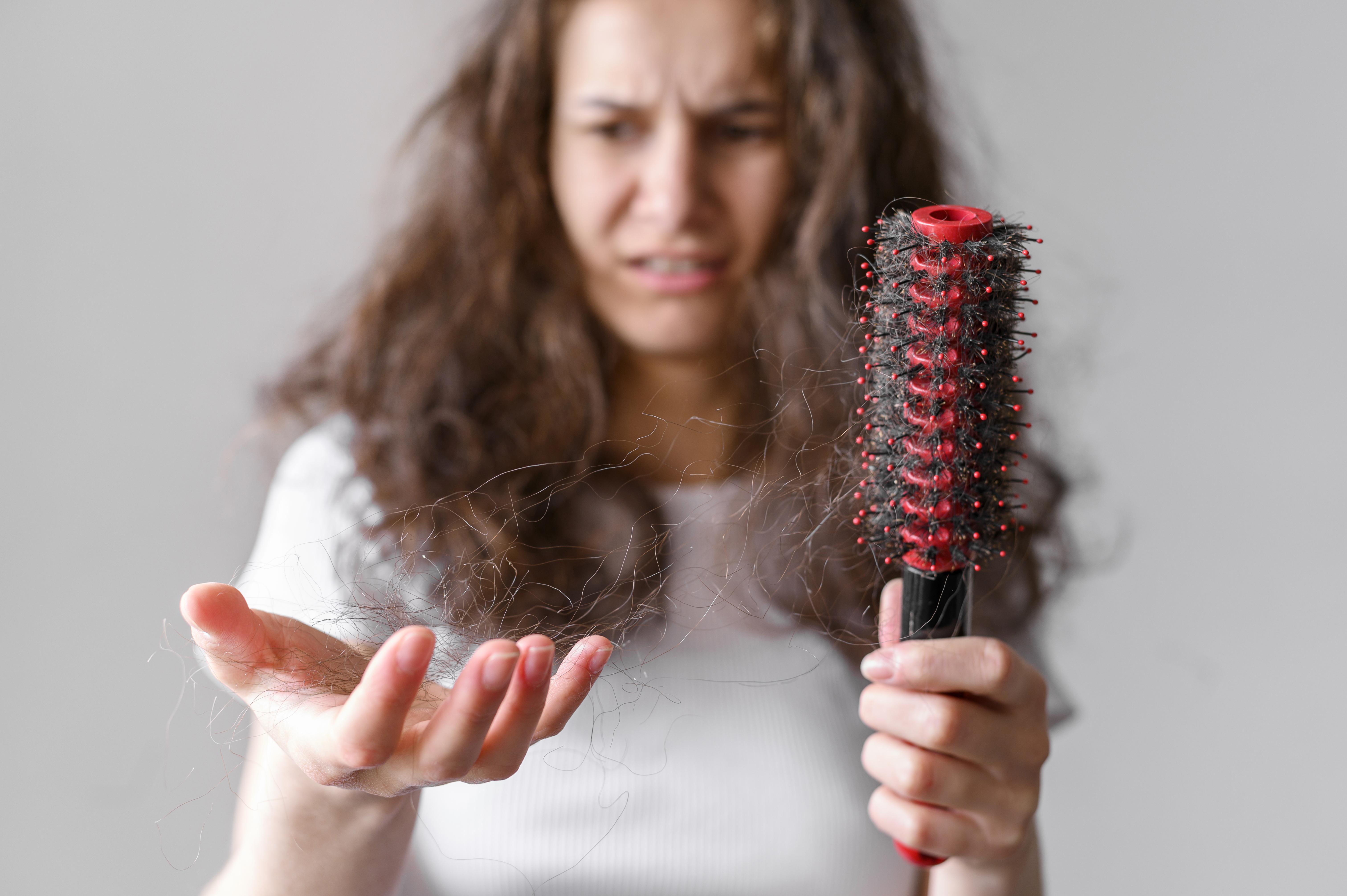
When a woman starts losing hair, it is different. It feels isolating. It feels shameful in a way that is difficult to explain. And most of the time, the women dealing with it quietly — hiding their parting with dry shampoo, avoiding certain lighting, styling their hair differently every day — are doing so alone because nobody around them seems to understand how serious it feels.
Hair loss in women is far more common than most people realize. And in Delhi, where stress levels are consistently high and environmental factors are relentless, it is becoming increasingly common in younger women too.
This blog is for every woman who has been quietly dealing with it and does not know where to start.
Why Women Lose Hair Differently Than Men
Male pattern baldness follows a fairly predictable path — a receding hairline, thinning at the crown, and gradual progression toward broader baldness. It is visible, it is recognized, and there is a well-established map for treating it.
Female hair loss does not follow the same pattern and does not get the same attention.
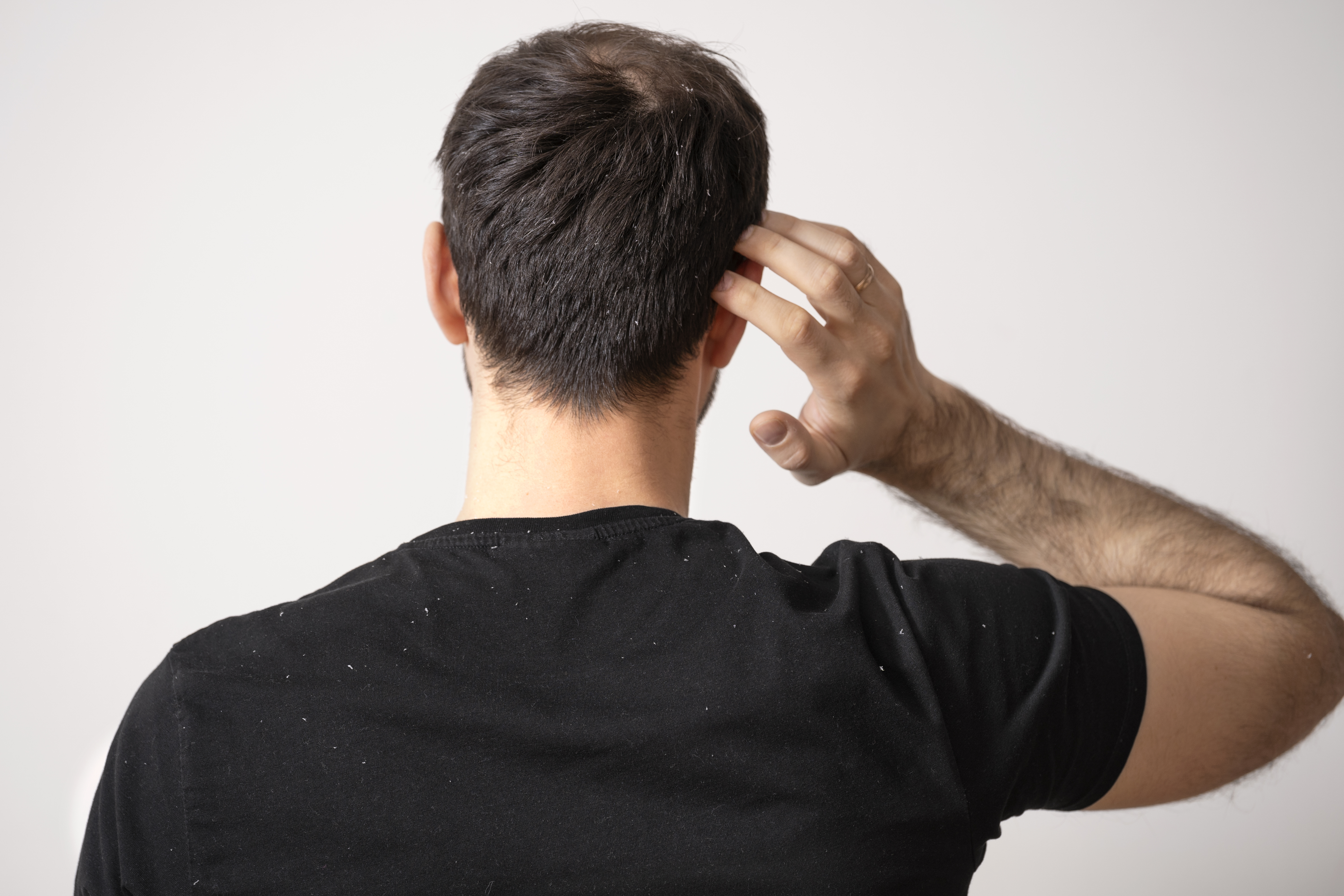
Women typically experience what is called diffuse thinning — a gradual, overall reduction in hair density across the entire scalp rather than a clearly defined bald patch. The parting gets wider. Ponytails get thinner. The scalp becomes more visible in bright light. But because there is rarely a dramatic bald spot, the problem is often dismissed — by family, by general practitioners, and sometimes even by the women themselves — as stress or a phase that will pass on its own.
It rarely does without intervention.
The Most Common Causes of Hair Loss in Women
Understanding what is driving your hair loss is the most important step toward treating it effectively. In women, the causes are often more complex and interconnected than in men.
Hormonal fluctuations are the most common underlying factor. Oestrogen plays a significant protective role in maintaining the hair growth cycle. Any disruption to oestrogen levels — whether through pregnancy, postpartum hormonal changes, perimenopause, or thyroid dysfunction — can trigger significant and sudden hair shedding.
PCOS — Polycystic Ovary Syndrome — is one of the most under-diagnosed causes of hair loss in young women in Delhi. The elevated androgens associated with PCOS cause follicle miniaturization in a pattern similar to male pattern baldness — but slower, more diffuse, and often accompanied by other symptoms like irregular periods, weight changes, and acne.
Nutritional deficiencies are extremely common — particularly iron deficiency anaemia, low ferritin, Vitamin D deficiency, and low Vitamin B12. These are consistently among the most overlooked causes of significant hair loss in women in their 20s and 30s. A simple blood test can identify them — but many women go years without having these levels checked.
Telogen Effluvium is a condition where a large percentage of hair follicles simultaneously enter the resting and shedding phase, triggered by physical or emotional stress, surgery, illness, rapid weight loss, or childbirth. The shedding typically begins two to three months after the trigger event — which is why many women do not immediately connect it to what caused it.
Androgenetic alopecia in women — female pattern hair loss — is genetic and progressive. It causes thinning primarily at the crown and along the parting line while the frontal hairline is usually preserved. It is more common than most women know and it responds well to early treatment.
Why "It Will Grow Back" Is Not Always Enough
One of the most frustrating experiences women with hair loss describe is being told — by well-meaning family members, by general practitioners, and sometimes even by dermatologists who have not assessed them thoroughly — that it will grow back on its own.
Sometimes it does. Postpartum hair loss, for example, often resolves naturally within six to twelve months as hormones stabilize after pregnancy.
But in many cases — particularly with androgenetic alopecia, PCOS-related hair loss, or long-standing nutritional deficiencies — waiting without treatment means continued follicle miniaturization and permanent damage to follicles that could have been preserved with early intervention.
The window for non-surgical treatment is not unlimited. The earlier hair loss is properly assessed and treated, the more options are available and the better the outcomes.
Treatments That Actually Work for Women
PRP Therapy
PRP — Platelet-Rich Plasma therapy — is one of the most effective non-surgical treatments for female hair loss and is particularly well-suited to the diffuse thinning pattern that women most commonly experience. Your own blood is processed to concentrate growth factors, which are then injected into the scalp to stimulate weakened follicles, improve blood circulation, and encourage the transition back into active hair growth.
It is non-surgical, requires no downtime, and delivers gradual, natural improvement over a course of sessions. For women with early to moderate hair thinning, it is often the most impactful first line of professional treatment.
GFC Therapy
GFC — Growth Factor Concentrate — is an advanced evolution of PRP that delivers a higher concentration of pure growth factors directly to the follicles. For women who have had limited response to PRP or want a more potent non-surgical option, GFC often produces faster and more significant results with fewer sessions.
Mesotherapy
Mesotherapy delivers a customized cocktail of vitamins, minerals, DHT blockers, and growth factors directly into the scalp through micro-injections. It is particularly effective for hair loss driven by nutritional deficiencies or hormonal factors — addressing the scalp environment that follicles need to function at their best. Many women find Mesotherapy particularly effective when combined with PRP or GFC.
Dermaroller with Serums
Scalp microneedling combined with medical-grade growth serums significantly enhances the absorption of topical treatments and stimulates collagen production around hair follicles. It is a highly effective complementary treatment that improves the results of PRP and Mesotherapy when used in combination.
Hair Transplant for Women
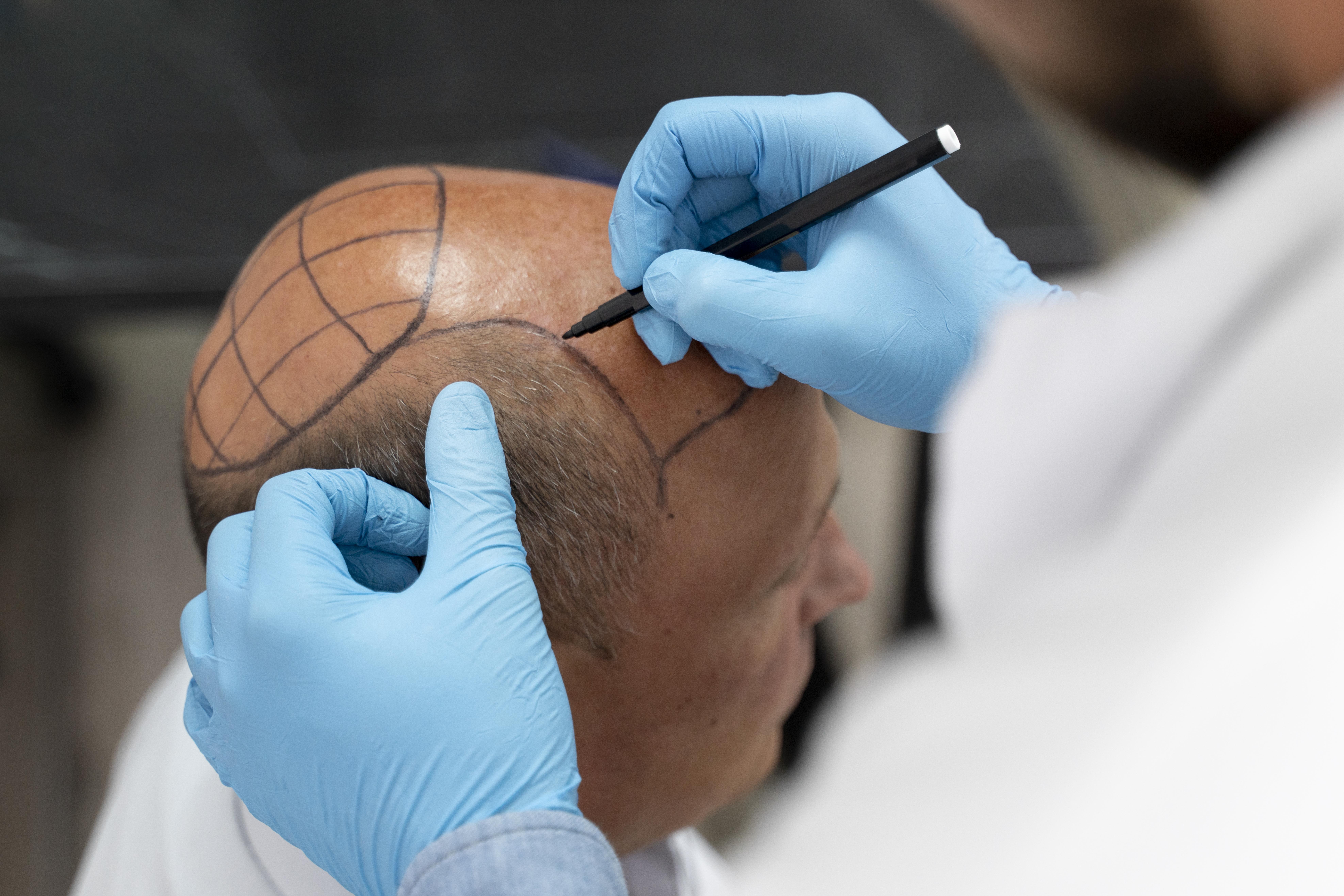
For women with advanced hair loss where follicles in the thinning areas have permanently stopped functioning, a hair transplant is the most effective long-term solution. Female hair transplants require particular expertise in density design and hairline preservation. At RS Skin and Hair Transplant Clinic in Rohini, Dr. Gunjan Aggarwal has significant experience with female hair restoration — creating natural, undetectable results that address the specific pattern of female hair loss.
What Women in Delhi Should Know Before Starting Treatment
Hair loss in women almost always has a combination of factors driving it. Treating only one factor while ignoring the others is one of the most common reasons women do not see the results they expect from treatment.
A proper consultation should include a detailed scalp examination, a blood panel to check iron, ferritin, thyroid, Vitamin D, B12, and hormone levels, and a thorough discussion of your medical history, lifestyle, and any medications you are taking.
At RS Skin and Hair Transplant Clinic in Rohini, Dr. Gunjan Aggarwal approaches every female hair loss patient with this comprehensive assessment as a starting point. Treatment is never recommended before the picture is complete — because the right treatment for your hair loss depends entirely on understanding what is actually causing it.
The Emotional Side Nobody Talks About Enough
Hair loss affects women differently than it affects men — not because men do not suffer, but because society places a different weight on women's hair as part of their identity and femininity.
The anxiety of watching your hair thin. The exhaustion of styling it differently every day to hide what is happening. The self-consciousness in social situations. The quiet grief of something changing about your appearance that you did not choose and cannot control.
These feelings are completely valid. And they deserve to be acknowledged — not dismissed with reassurances that it is just stress and it will pass.
If hair loss is affecting your confidence and your quality of life, you deserve proper medical attention, an honest diagnosis, and a treatment plan that is genuinely built around your needs.
Final Thoughts
Female hair loss is common, complex, and consistently under-addressed. But it is also treatable — especially when caught early and approached with the right diagnosis and the right combination of treatments.
If you have been quietly dealing with thinning hair in Delhi and have been putting off a consultation because you are not sure it is serious enough — it is serious enough. Your hair health matters. And the earlier you address it properly, the better the outcome will be.