FUE vs. DHI Hair Transplant: A Complete Guide
FUE vs. DHI Hair Transplant: A Complete Guide
Choosing between Follicular Unit Extraction (FUE) and Direct Hair Implantation (DHI) is one of the most important decisions when planning a hair restoration. While both methods provide high success rates and natural results, their technical approaches suit different types of hair loss.
1. The Core Technical Differences
Feature | FUE (Follicular Unit Extraction) | DHI (Direct Hair Implantation) |
|---|---|---|
Extraction | Individual follicles are extracted using a micro-motor punch. | Identical to FUE; follicles are extracted individually. |
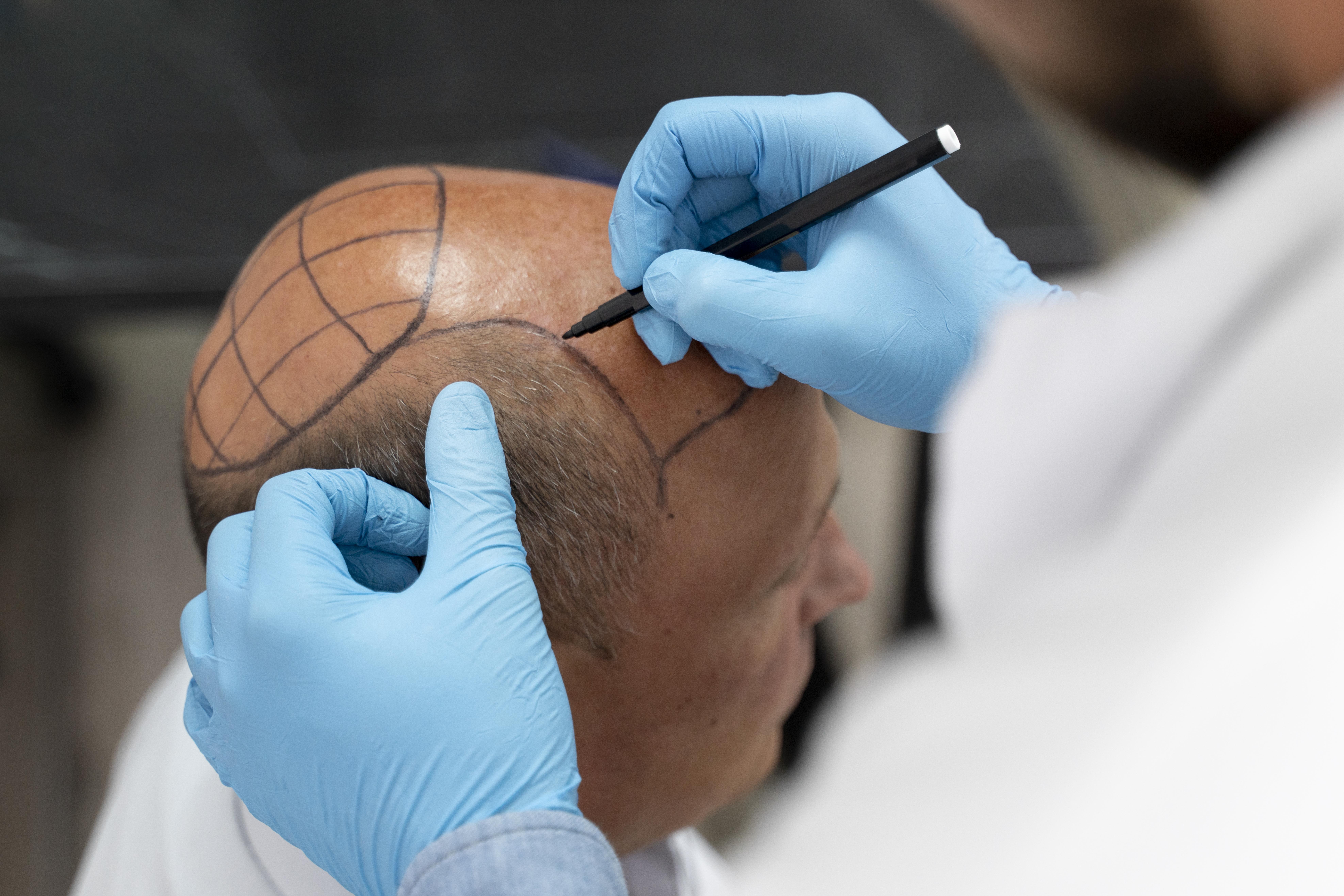
Implantation | Two steps: Surgeon creates channels (incisions) first, then places grafts with forceps. | One step: Surgeon uses a Choi Implanter Pen to create the hole and insert the graft simultaneously. |
Shaving | Usually requires the entire head to be shaved. | Often only requires the donor area to be shaved (unshaven options are common). |
Max Grafts | Ideal for "mega-sessions" (up to 5,000+ grafts). | Generally limited to 2,000–3,500 grafts per session due to time. |
Procedure Time | Faster (approx. 6–8 hours). | Slower and more meticulous (can take 8+ hours). |
2. Pros and Cons
FUE (The "Gold Standard")
Best for: Extensive balding and budget-conscious patients.
Pros:
Highly cost-effective.
Capable of covering very large bald areas in a single day.
Proven long-term track record.
Cons:
Requires a full head shave (usually).
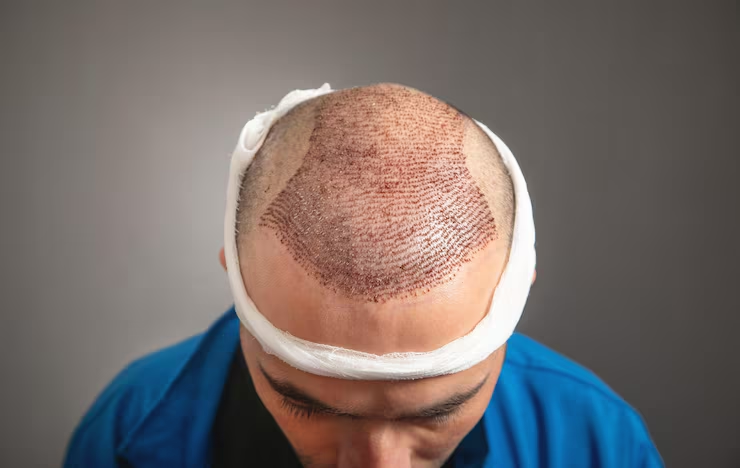
Slightly longer recovery for the recipient area due to incisions.
Grafts spend more time "outside" the body during the two-step process.
DHI (The "Precision Tool")
Best for: Hairline design, high density, and those who don't want to shave.
Pros:
Precision: Better control over the angle, depth, and direction of hair growth.
Density: Allows for "dense packing" in smaller areas.
No Shave: Many patients can keep their existing hair long during the procedure.
Survival: Grafts spend less time outside the scalp, potentially increasing survival rates.
Cons:
Significantly more expensive (often 20–50% higher).
Not efficient for massive bald areas (Stages 5–7 on the Norwood scale).
Highly dependent on the technician's skill with the Choi Pen.
3. Recovery and Results
Both procedures offer a permanent solution to hair loss.
Recovery Timeline: Most patients return to work in 3–5 days for DHI and 7 days for FUE. Redness and scabbing typically clear within 10 days.
Growth Cycle: * Months 1-3: "Shock loss" occurs (transplanted hair falls out, which is normal).
Months 4-6: New growth begins.
Month 12: Final results are visible.
4. Which One is Right for You?
Choose FUE if:
You have advanced hair loss (Norwood Stage 4+).
You need the maximum number of grafts possible.
You are looking for the most affordable high-quality option.
You don't mind shaving your head.
Choose DHI if:
You are only looking to restore your hairline or fill a small crown area.
You want the highest possible density in a specific spot.
You want to avoid shaving your entire head for social/work reasons.
You are looking for a "premium" procedure with the shortest healing time.
Medical Disclaimer: This information is for educational purposes only. Always consult with a certified hair transplant surgeon to determine which method is medically appropriate for your specific scalp condition and hair type.